

Social Gaming: The New Trend in iGaming
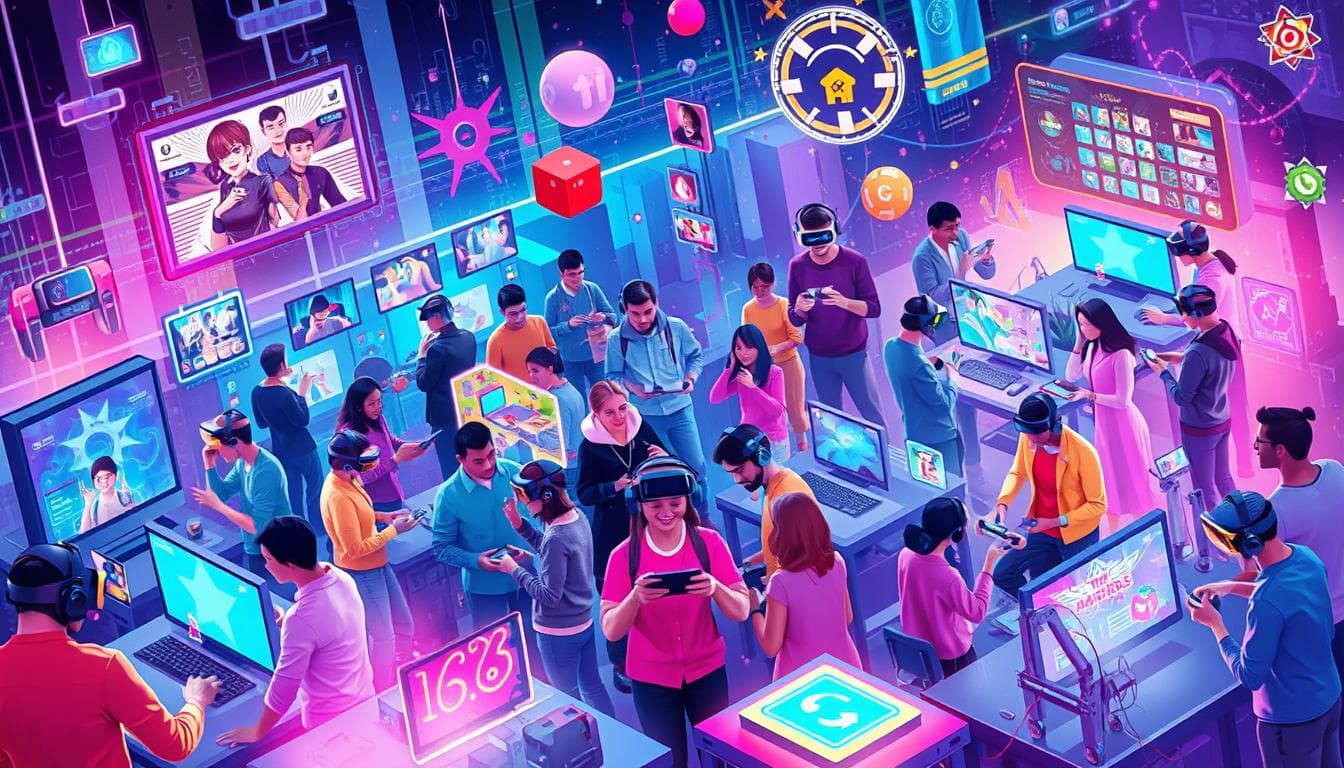
Social gaming blends traditional games with social features like chat, leaderboards and shared challenges. For iGaming operators, it builds community and keeps players coming back.
Key Points
- Social games center on interaction, competition and collaboration.
- Social casino, casual mobile and multiplayer online games are the main types.
- In-game purchases, ads and subscriptions fund social games.
- Mobile and cross-platform play widen your audience.
- VR, AR and blockchain are shaping the next wave of social features.
Step 1: Understand Social Gaming
Social gaming adds social media dynamics to games, so players engage with each other, not just the game. Its core features include:
- Real-time interaction with friends.
- Leaderboards for healthy competition.
- Collaboration on missions or challenges.
- Customization options that express personal identity.
Step 2: Choose a Social Game Type
Pick the format that fits your audience and product. Each type uses social features in a different way.
| Type | Description | Key Features |
|---|---|---|
| Social casino | Casino-style games with a social twist | Multiplayer, virtual currencies, social rewards |
| Casual mobile | Simple games played on the go | Social sharing, daily challenges |
| Multiplayer online | Real-time competition or cooperation | Persistent worlds, clans, co-op play |
Step 3: Add Social Features
Live chat drives real-time discussion and engagement. Leaderboards push players to improve, and sharing tools spread achievements on social media. Then let players help shape the game:
- User-generated content that builds a sense of ownership.
- Community forums for feedback on features and gameplay.
- Beta tests for new games and features.
Step 4: Plan Your Monetization
Social games earn revenue in three main ways. Pick the mix that fits your players:
- In-game purchases: cosmetic upgrades or extra content.
- Advertisements: placements that do not disrupt play.
- Subscriptions: premium content or ad-free access.
Step 5: Build for Mobile First
Mobile gaming passed desktop in popularity in 2020. Smartphones let players start a session with friends at any moment. Build these into your mobile app:
- Chat, friend lists and sharing tools.
- Groups and events that create a sense of belonging.
- Cross-platform play, so users on different devices can play together.
Step 6: Stay Compliant and Fair
Rules for social gaming vary widely by jurisdiction and change often. Check local requirements early to avoid launch delays and extra costs. Protect players from fraud with encryption and responsible gaming practices.
Summary
Social gaming turns play into a shared experience through chat, leaderboards and community features. Choose your game type, monetize with care, build for mobile and stay compliant in every market. To plan your platform, explore our Casino Platform.
FAQ
What is social gaming in iGaming?
It is online gaming built around player interaction and community. Features include chat, leaderboards and shared challenges.
How do social games make money?
They earn through in-game purchases, advertisements and subscriptions. Many games combine all three.
Is social gaming regulated?
Often, yes, and the rules vary widely by jurisdiction. Check local requirements before you launch in each market.