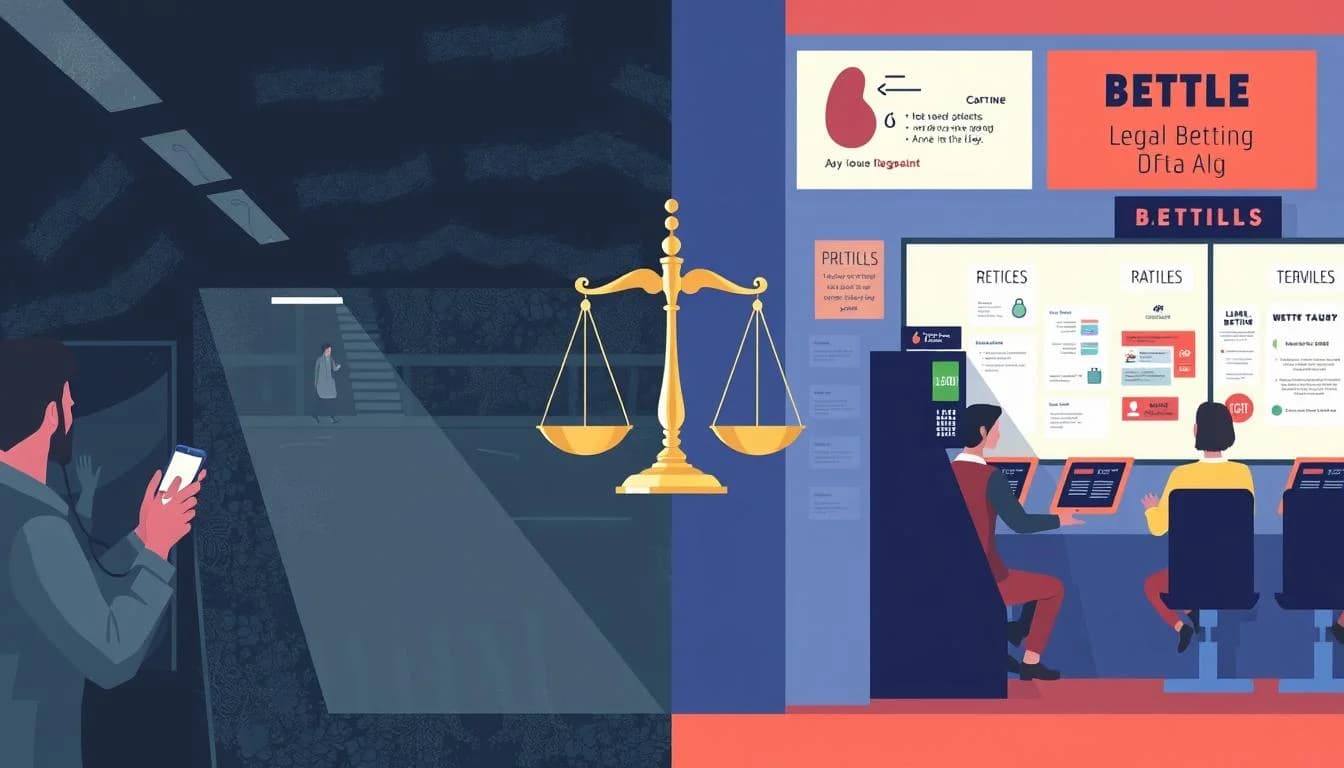

Legal Status of Proxy Betting

The legal status of proxy betting in the US depends on federal law and each state's rules. It matters to bettors, who risk penalties, and to operators, who must stay licensed and compliant.
Key Points
- Proxy betting means one person places wagers on behalf of another.
- Federal laws such as the Wire Act and UIGEA set the framework.
- Since PASPA was overturned in 2018, states set their own sports betting rules.
- State laws differ widely, from clear rules to strict bans.
- Operators need licensing, age checks, responsible gaming and data security.
Step 1: Know the Basics
Proxy betting means a third party places bets on your instructions. It can happen in physical casinos and online. Some states address it in explicit laws, while others do not mention it directly.
Step 2: Learn the Federal Laws
Three federal laws shape the framework. State rules then fill in the details.
| Law | Year | Effect |
|---|---|---|
| Wire Act | 1961 | Governs interstate wagering on sports |
| Unlawful Internet Gambling Enforcement Act (UIGEA) | 2006 | Prohibits funding illegal online gambling |
| Professional and Amateur Sports Protection Act (PASPA) | 1992, overturned 2018 | Limited state-authorized sports betting until 2018 |
Step 3: Check Proxy Betting Laws
Legality varies a lot from state to state. Some states set clear rules, while others ban proxy betting or leave it unaddressed. Violations can bring serious legal penalties, so check your state's rules first.
Step 4: Know the Operator Duties
Many jurisdictions require a license before a platform offers proxy betting. Compliance then rests on four basics.
- Licensing where the jurisdiction requires it.
- Age verification for every user.
- Responsible gaming measures for vulnerable players.
- Data security for personal and financial information.
Step 5: Plan for Tax and Enforcement
Platforms must follow local tax laws and report their finances properly. Some regions limit or fully prohibit online proxy betting. Non-compliance can lead to fines or legal action.
Step 6: Treat Sports Betting Separately
Proxy sports betting has its own state rules, separate from proxy casino betting. It lets people bet from distant locations through a trusted proxy. That convenience also raises unique legal and accountability questions.
Summary
Federal laws like the Wire Act and UIGEA, plus state rules, set the legal status of proxy betting. Bettors should check local law first, and operators need licensing, age checks and responsible gaming. Our Licensing team helps operators choose jurisdictions and stay compliant.
FAQ
Is proxy betting legal in the United States?
Not everywhere. It varies by state, so check local law before you take part.
Which federal laws affect proxy betting?
Three: the Wire Act of 1961, UIGEA of 2006 and PASPA, which was overturned in 2018.
What must a proxy betting platform do to comply?
Get licensed where required, verify ages, run responsible gaming measures and secure user data. It must also follow local tax rules.