

Integrating Gamification in iGaming Platforms
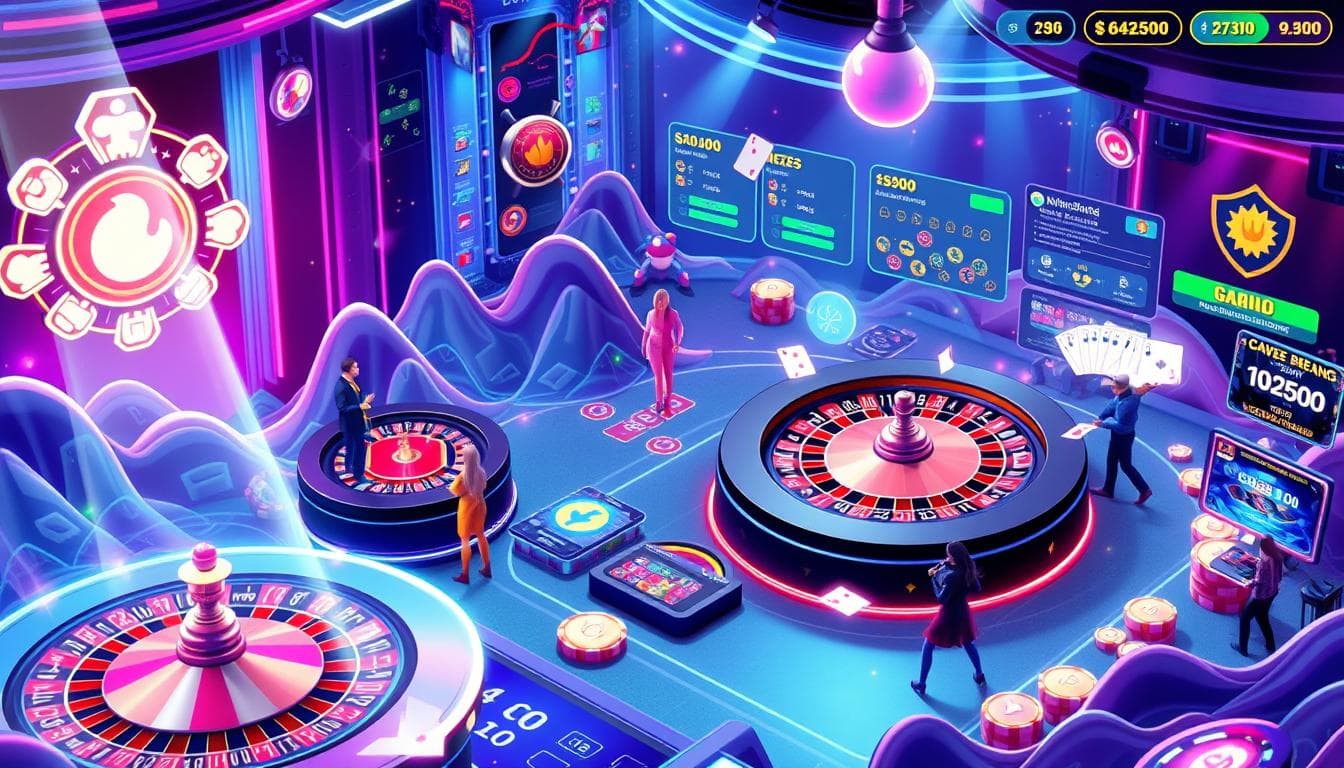
Integrating gamification in iGaming platforms means adding game mechanics like points, badges and leaderboards to the player experience. Done well, it raises engagement and retention without overwhelming players.
Key Points
- Gamification applies game design principles to non-game parts of your platform.
- Points, badges, levels, quests and leaderboards are the core elements.
- Match mechanics to your audience: competition for some, social play for others.
- Too much gamification causes burnout, so vary it and test it.
- A/B tests and frequent updates keep the mechanics effective.
Step 1: Know Your Players
Younger players often respond better to competitive elements. Older audiences may prefer social interaction within the gamified experience. Platforms that tailor mechanics to these preferences often see better results.
Step 2: Pick Core Mechanics
Start with a few core elements. Each one shapes engagement in a different way:
| Element | What It Does | Effect on Engagement |
|---|---|---|
| Leaderboards | Rank players by performance | Encourages competition |
| Badges | Reward specific milestones | Motivates goal completion |
| Quests | Set tasks with rewards | Increases time on platform |
| Points | Award points for activity | Supports continued play and retention |
Step 3: Design Rewards That Motivate
Rewards give players a tangible reason to engage. Pair them with personalized recommendations and challenges that adapt to skill level.
- Tiered rewards for ongoing engagement.
- Exclusive bonuses based on player activity.
- Loyalty points redeemable for in-game currency or unique items.
Step 4: Integrate Gamification Into Your Platform
Tools like Unity and Unreal Engine support interactive features. PlayFab offers backend services for leaderboards and rewards systems. Plan the rollout in three parts:
- Test thoroughly so new elements do not disrupt your existing architecture.
- Use push notifications and in-app messages to deliver challenges on mobile.
- Track engagement metrics from day one to spot patterns early.
Step 5: Prevent Clutter and Burnout
Overcomplicated mechanics and unbalanced rewards push players away. Overexposure to gamified elements also leads to fatigue. To keep the balance:
- Simplify game design and align mechanics with player goals.
- Vary rewards and run limited-time events.
- Monitor activity patterns and step in early.
Step 6: Test and Improve
Run A/B tests on different mechanics to see what works. Update content often and analyze how players move through the platform. Use feedback and analytics to refine the design in small steps.
Summary
Start with your audience, choose a few clear mechanics and tie them to meaningful rewards. Integrate carefully, watch for burnout and keep testing. To connect rewards with your promotions, see our Bonus System.
FAQ
What is gamification in iGaming?
It is the use of game mechanics like points, badges and leaderboards on an iGaming platform. The goal is higher engagement and retention.
Which gamification elements work best?
Leaderboards, badges, quests and points systems are the most common. The right mix depends on your audience.
Can gamification hurt engagement?
Yes, overcomplicated or overused mechanics can cause burnout. Keep designs simple, vary rewards and monitor activity.